
What is Frozen Shoulder – Adhesive capsulitis and how can you mange this injury?
By Caily Morse (student Physiotherapist)
Definition:
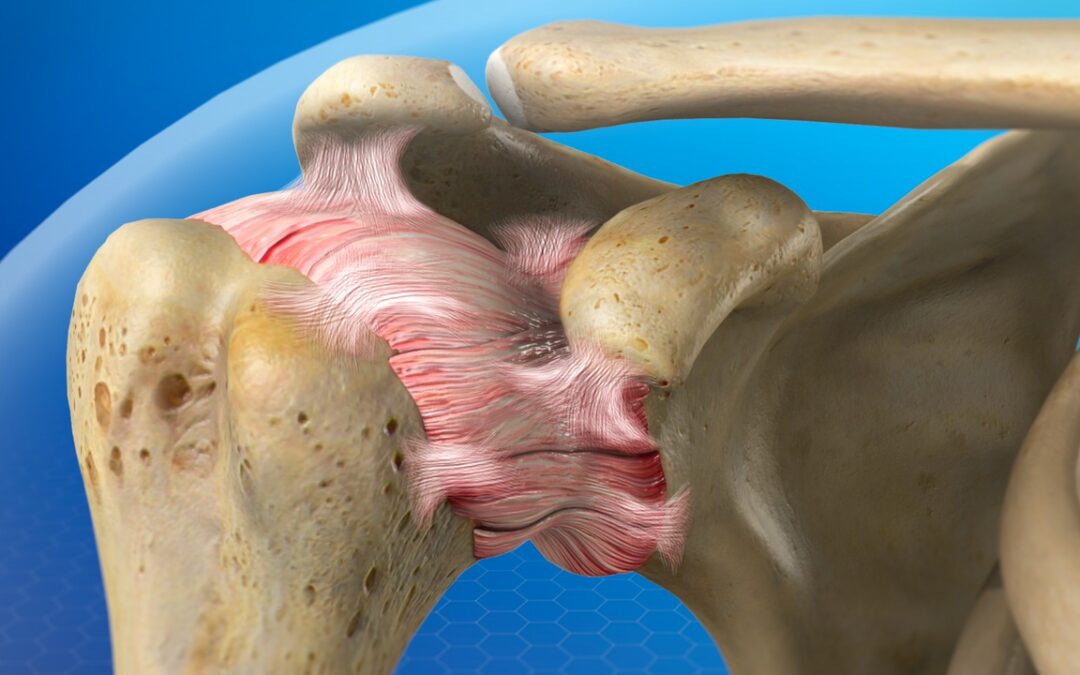
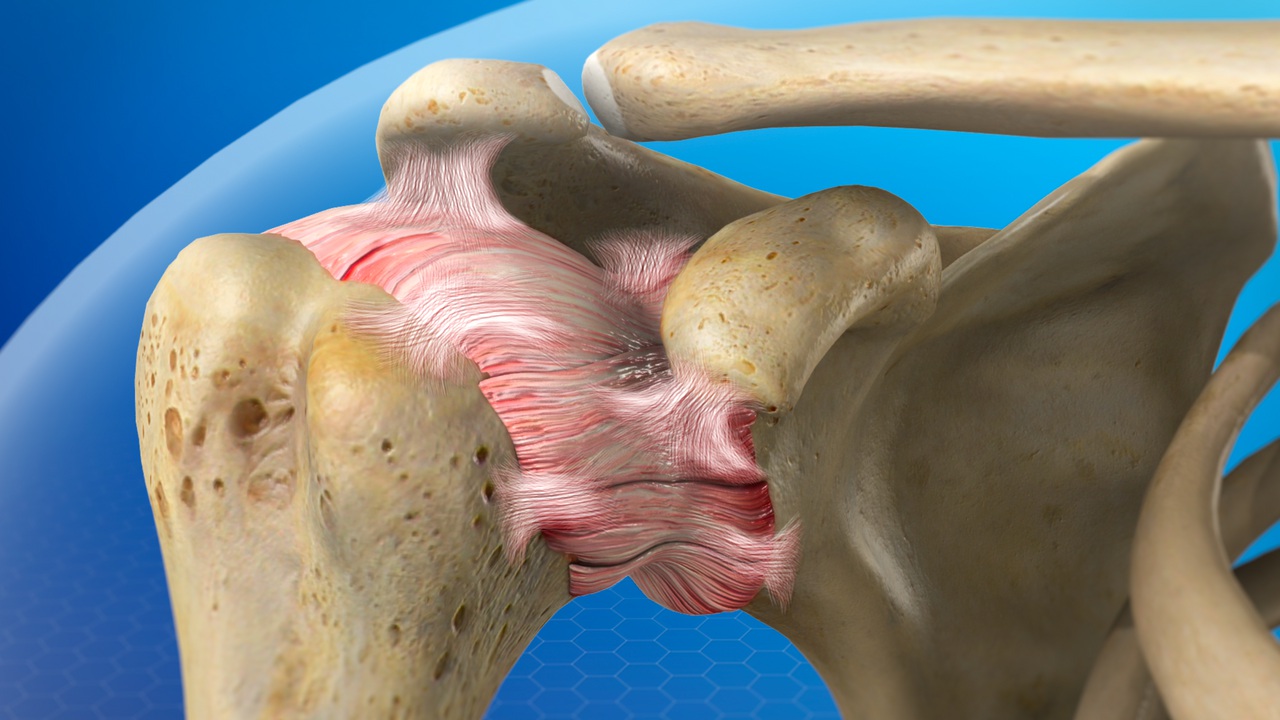
Frozen shoulder, A.K.A Adhesive Capsulitis, is a condition that causes pain and severe stiffness in the shoulder joint.
What’s happening:
This happens when the strong band of connective tissue (the capsule) surrounding
your shoulder becomes inflamed and thickens. This limits the space within the
joint.
There are three stages of frozen shoulder:
– Freezing Phase: Characterised by gradual, worsening shoulder pain and progressive loss of motion as synovitis and early inflammation peak.
Duration: Usually lasts 2 to 9 months.
– Frozen (Stiff) Phase: The pain often starts to lessen or level off during this phase. However, the shoulder becomes dramatically stiffer, making everyday tasks (like dressing, driving, or reaching overhead) very difficult.
Duration: Usually lasts 4 to 12 months.
– Thawing Phase: Inflammation subsides, and the shoulder capsule begins to relax. Your ability to move the shoulder slowly and steadily improves.
Duration: Usually lasts 5 to 24 months.
Causes/ Risk factors:
There are two types of frozen shoulder: primary (idiopathic) or secondary.
Idiopathic frozen shoulder is when a frozen shoulder occurs with no clear origin. Whereas secondary frozen shoulder is when there is an underlying cause such as:
– Immobilisation of the arm
– Diabetes
– Parkinsons
– Increased age
When the shoulder is immobilised for long periods of time (e.g. after surgery or fracture) the connective tissue capsule surrounding the shoulder starts to thicken, tighten, and form dense scar-like bands of tissue. This gradually reduces the range of movement around the shoulder joint.
Diabetes can increase the risk of frozen shoulder, as persistently high blood sugar levels cause glucose molecules to bind to the collagen fibres. This makes the fibres sticky and creates abnormal cross-links within the collagen. This then causes the shoulder capsule to thicken, lose its elasticity and become rigid, reducing mobility.
Up to 46% of people with Parkinson’s experience frozen shoulder. This is due to a combination of factors; muscle rigidity is common in people with Parkinson’s. This constant tension affects the muscles and reduces the range of motion around the shoulder. In addition, people with Parkinson’s often have a hunched posture, which changes the alignment of the upper trunk and the shoulder blade.
Clinical Features:
· Significant loss of movement
· Deep, dull or aching pain around the shoulder joint
· Pain worsens at night, especially when lying on the affected side
· Impaired activities of daily living, such as washing hair, putting on a coat or reaching the top shelf.
Management:
Frozen shoulder can be tricky to treat as some cases may only respond to corticosteroid injections or even surgery. But some cases and symptoms can be managed through combination therapy and a range of modalities such as:
– Joint mobilisation and Manual therapy
– Laser therapy
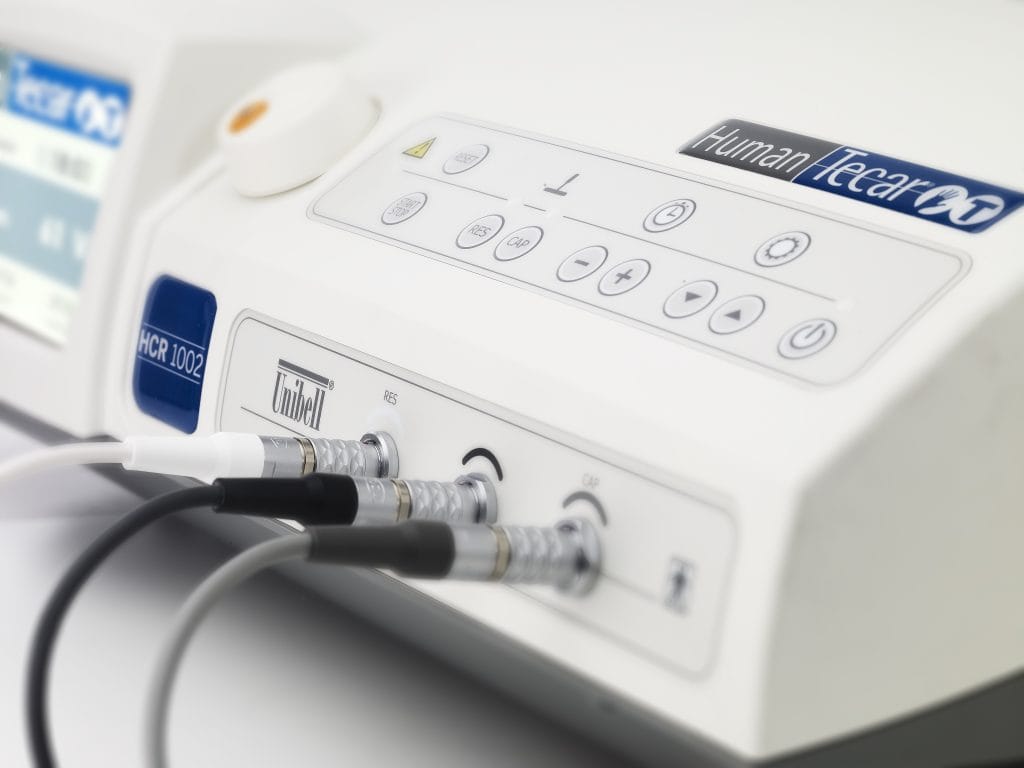
– Tecar therapy
– Contrast therapy
Myofascial Dry Cupping and Dry Needling can also help when combined with wider treatment and rehabilitation activities.

Management cont……
Mobilisation and Manual therapy: By mobilising the shoulder, you stretch the thickened, contracted shoulder joint capsule, break down joint adhesions, and restore the normal mechanisms of the shoulder joint.
Laser therapy: Helps reduce pain by calming the joint and muscular inflammation through speeding up and supporting cellular repair. By reducing tension, patients are able to tolerate movement and mobilisation more, and with less pain.
Tecar therapy: Generates heat within the area, helping the muscles and connective tissue to relax. Tecar also helps to improve localised circulation and lymphatic drainage, which clears metabolic waste from the area and improves the delivery of nutrients. The effects from resistive and capacitive frequency modes help to reduce inflammation within the tissue whilst reducing pain and discomfort.
Contrast therapy: Heat dilates the blood vessels, thereby increasing localised blood flow. This helps relax the muscles and connective tissue capsule, making it easier to stretch out the shoulder. Cold temporaily constricts the blood vessels and numbs pain receptors helping to reduce sharp pain, whilst the heat helps to increase localised blood flow and mobility.
This is a useful modality for home care to help manage discomfort and movement. Contrast therapy or heat therapy can also be used before guided stretches that have been advised by the therapist.
Wider modalities sych as myofascial Dry Cupping and Dry Needling can also be useful within combination therapy and rehabilitation activities.
By Caily Morse (student Physiotherapist and Core Elements Administrator)
Core Elements offers Sports Massage and Sports Therapy based training courses and an Injury Clinic
If you’d like to book an appointment at our Swindon based injury clinic, please Click Here
To find out more about our Electrotheapy short course in Swindon please Click Here